
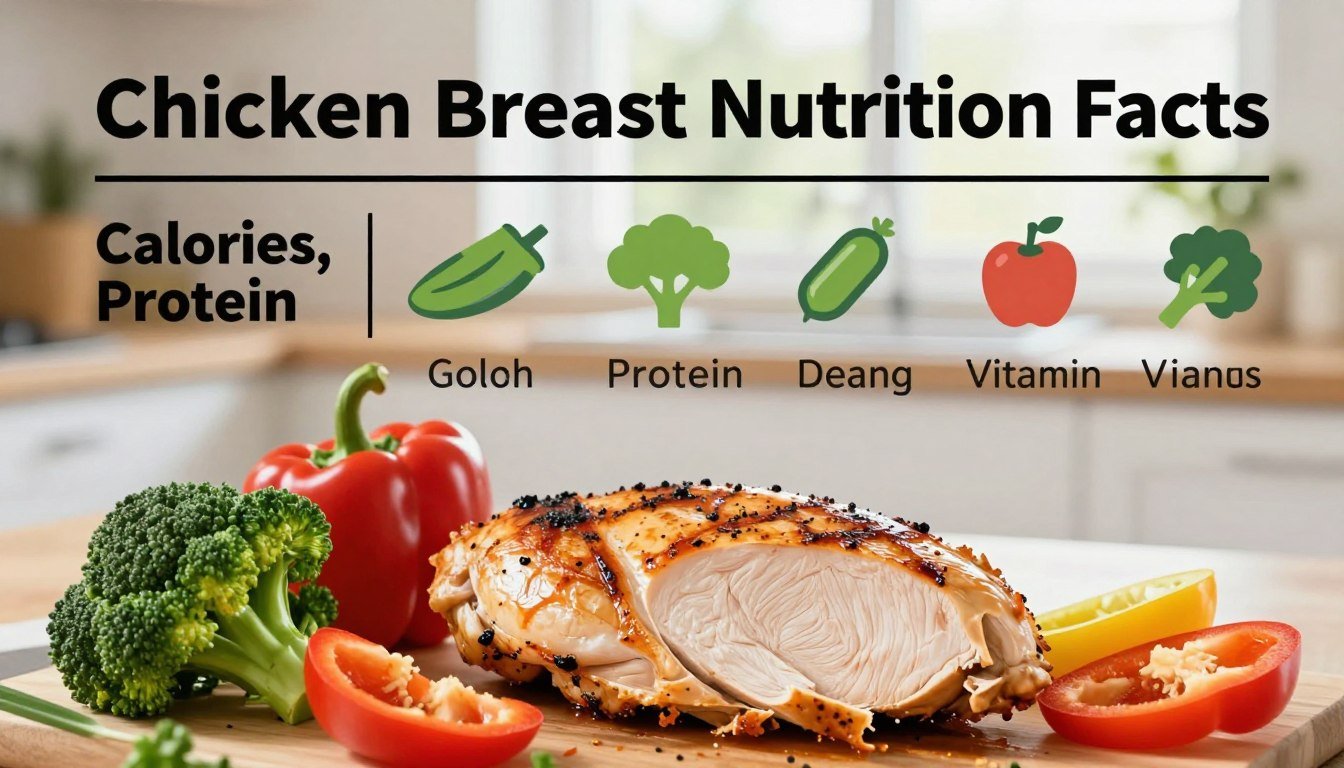
Chicken Breast Nutrition Facts: 12 Essential Benefits, Calories, and Protein Guide
Chicken farming needs a lot of land, which can cause forests to disappear and harm animals’ homes. This hurts wildlife and messes up local nature. Also, big chicken farms use a lot of water for the birds to drink and stay clean. This can strain local water sources, especially where water is already scarce.
Greenhouse gas emissions are another big issue with chicken farming. Farms produce methane, mainly from handling manure, which harms the climate. Cutting down on these emissions is key to making chicken farming less harmful to the planet.
There are ways to make chicken farming better for the environment. Free-range and organic farming can help reduce harm while giving people healthier, better-raised chicken. Using new technology to manage resources can also make chicken farming more sustainable.
| Environmental Factor | Challenges | Sustainable Practices |
|---|---|---|
| Land Use | Deforestation, Habitat Destruction | Promote Free-Range Systems |
| Water Consumption | Pressure on Local Water Supplies | Implement Water Management Technologies |
| Greenhouse Gas Emissions | Contribution to Climate Change | Utilize Manure Digesters |
Consulting with Nutritionists
Getting advice from nutritionists lets you get diet plans that fit your health goals. They help you make better food choices. They look at your diet, lifestyle, and needs to make sure you’re getting the right nutrients.
Adding chicken and other proteins to your meals can be tricky. Nutritionists guide you on how much to eat, how to cook, and how to mix these foods into healthy meals. They help you avoid mistakes and build lasting healthy eating habits.