
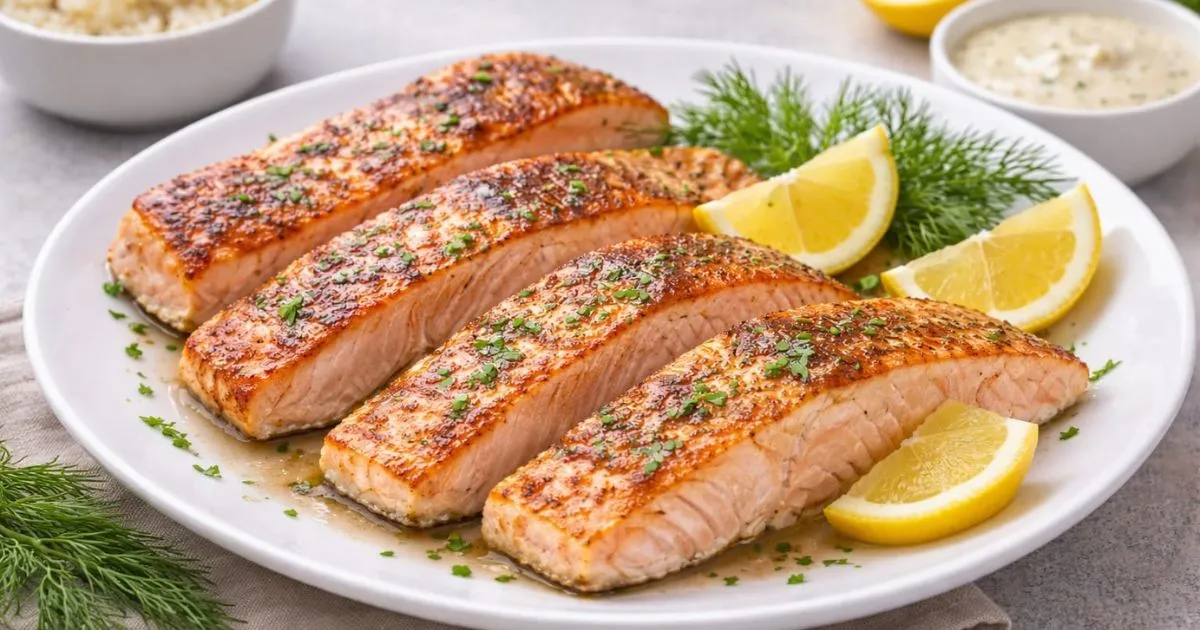
Perfectly Cooked Salmon: Easy Tips for Juicy, Flavorful Fish
Spread the love This how-to guide shows you a reliable, easy salmon recipe so you can make perfectly cooked salmon at home. You’ll get clear selection guidance, essential tools, and a step-by-step cooking method designed for salmon recipe for beginners. The goal is simple: deliver juicy salmon every time with a flavorful salmon dish that…
This how-to guide shows you a reliable, easy salmon recipe so you can make perfectly cooked salmon at home. You’ll get clear selection guidance, essential tools, and a step-by-step cooking method designed for salmon recipe for beginners. The goal is simple: deliver juicy salmon every time with a flavorful salmon dish that works for weeknights and special dinners.
You’ll learn multiple cooking methods—grill, pan-sear, roast, and easy baked salmon—plus seasoning ideas, side suggestions, troubleshooting tips, and meal-prep shortcuts. If you live in the United States and want a quick salmon dish, a simple salmon meal, or a healthy salmon dinner, this guide is tailored for your kitchen and schedule.
Follow practical advice on consistent internal temperature control, timing guidelines, and smart flavor pairings. By the end, you’ll feel confident cooking salmon for family meals or guests and will have a go-to delicious salmon recipe to repeat again and again.
Key Takeaways
- You’ll learn a straightforward easy salmon recipe suited for beginners.
- Practical tips help you achieve juicy salmon and a flavorful salmon dish every time.
- Instructions cover grilling, pan-searing, roasting, and easy baked salmon methods.
- Guidance includes selection, tools, timing, and internal temperature control.
- Recipes and shortcuts make a quick salmon dish or healthy salmon dinner simple on weeknights.
Why salmon is a great choice for a healthy salmon dinner
Salmon makes a smart pick when you want a nutritious, tasty dinner without fuss. It cooks fast, adapts to bold flavors or light seasonings, and fits into weeknight plans where you need a quick salmon dish or a simple salmon meal that still feels special.
Health benefits of salmon
Salmon health benefits include high levels of omega-3 fatty acids EPA and DHA that support heart and brain function. The American Heart Association recommends fatty fish like salmon at least twice a week for cardiovascular health.
You also get high-quality protein, vitamin D, B12 and niacin, plus selenium and potassium. A typical cooked portion of 3–4 oz provides a satisfying serving with moderate calories, making portion control easy for balanced meals.
Why salmon fits into quick salmon dish planning
Salmon cooks in roughly 8–15 minutes depending on thickness and method, so it works when time is tight. You can sear a fillet, bake portions, or grill steaks and still get dinner on the table fast.
The fish pairs well with simple sides like steamed broccoli, rice, or a mixed salad. Leftovers turn into sandwiches, bowls, or salads, so a single cook session can supply several meals and reduce weekday stress.
Choosing between wild and farmed salmon
Wild-caught varieties such as Alaskan sockeye or coho often have deeper color and leaner flesh. They are seasonal and can offer a slightly different nutrient profile when sourced responsibly.
Farmed Atlantic salmon is widely available year-round and tends to cost less. Quality varies by producer, so look for certifications like ASC or Best Aquaculture Practices to ensure better standards.
Use resources from NOAA FishWatch or the Monterey Bay Aquarium’s Seafood Watch to check regional recommendations. Either choice can produce a delicious, healthy salmon dinner when you buy from reputable markets or suppliers.
How to pick the best salmon at the store or market
Choosing the right salmon sets you up for a great meal. Read a few quick cues when you buy so your easy salmon recipe turns out flavorful and reliable.
What to look for in color, texture, and smell
Look for vibrant, translucent color that ranges from pale pink to deep red depending on species. Press the flesh gently; it should spring back and feel moist. Avoid fillets with brown spots, dry edges, or a milky residue.
Smell the fish close to the packaging. A mild ocean scent is normal. A strong, sharp “fishy” odor means you should pass. For steaks, check that cuts are firm and intact. Shiny skin and intact scales are good signs when present.
Fresh vs. frozen salmon: when to choose each
Pick fresh salmon if you plan to cook within 1–2 days and the package shows proper refrigeration and a clear sell-by date. Fresh fish works well for delicate preparations and quick sautés where texture matters most.
Frozen salmon can be equal or superior because many producers flash-freeze at peak freshness. Frozen fillets often cost less, cut down on waste, and let you stock up for an impromptu easy salmon recipe. Thaw overnight in the fridge or under cold running water for faster use. Do not refreeze once thawed.
Portion sizes and sustainable sourcing tips
Plan salmon portion sizes at about 4–6 ounces raw per person for standard meals. If appetites run large or you’re cooking bone-in pieces, allow 6–8 ounces per person. After cooking, portions shrink to roughly 3–4 ounces.
When you choose salmon, ask your fishmonger about provenance and harvest methods. Look for certifications such as ASC or Marine Stewardship Council. For U.S. shoppers, Alaskan wild salmon is a well-managed option. Monterey Bay Aquarium and NOAA offer guidance on sustainable salmon sources.
| Buying Option | When to Choose | Benefits | Handling Tip |
| Fresh fillet | Cooking within 1–2 days | Best texture for quick sears and gentle cooking | Keep chilled, use by sell-by date |
| Frozen fillet (flash-frozen) | Longer storage or budget shopping | Often peak freshness, less waste | Thaw in fridge or cold water; do not refreeze |
| Wild-caught (Alaska) | Preference for managed fisheries | Well-regulated, seasonally flavorful | Ask for year and fishery details |
| Responsibly farmed (certified) | When supply of wild is limited | Consistent availability, sustainable salmon options | Look for ASC or trusted producer names |
Essential tools and equipment for a simple salmon meal
To make an easy salmon recipe turn out great every time, choose a few reliable items that simplify prep and cooking. The right kitchen tools for salmon help you trim, season, flip, and plate without stress. A short gear list keeps you focused on flavor and timing.
Kitchen tools that make cooking salmon easier
Start with a sharp chef’s knife or a Victorinox fillet knife for clean portions and minimal tearing. A thin, flexible fish spatula from brands like OXO or Wusthof lets you flip fillets without breaking them.
Keep a dedicated cutting board for fish to avoid cross-contamination. Kitchen shears speed up trimming, while mixing bowls and a small whisk make quick work of marinades and glazes for a simple salmon meal.
Recommended cookware for even cooking and crisp skin
Pick a heavy-bottomed stainless steel or cast-iron skillet for pan-searing; Lodge cast iron gives reliable heat and a crisp skin finish. Use nonstick pans for skinless fillets when you want an easier release.
For baking, choose a rimmed baking sheet or an oven-safe roasting pan lined with parchment or foil for fast cleanup. If you like a broiled finish or caramelized glaze, a broiler-safe pan makes it easy to add high heat at the end.
Thermometers and timing tools for consistent results
An instant-read digital thermometer, such as the ThermoWorks Thermapen, is the best thermometer for salmon to check internal temperature quickly. Aim for about 120–125°F for medium-rare, or up to 130°F for medium. Keep in mind USDA guidance of 145°F, and plan for carryover cooking so you remove the fish slightly below your target.
Use a kitchen timer or your phone to track searing and oven time. An oven thermometer helps confirm your oven runs true, which keeps an easy salmon recipe consistent from batch to batch.
| Tool | Why it helps | Suggested choice |
| Chef’s/Fillet knife | Clean cuts, even portions, reduces tearing | Victorinox 6″ or similar |
| Fish spatula | Flip delicate fillets without breaking | OXO or Metal spatula, thin-flex design |
| Cutting board | Prevents cross-contamination, easy cleaning | Dedicated plastic or bamboo board |
| Cast-iron or stainless skillet | Even heat, crisp skin, reliable sear | Lodge cast iron or All-Clad stainless |
| Nonstick pan | Gentle release for skinless fillets | Scanpan or T-fal |
| Baking sheet / roasting pan | Hands-off oven cooking, easy cleanup | Rimmed sheet with parchment |
| Instant-read thermometer | Precise internal temp for consistent doneness | ThermoWorks Thermapen or similar |
| Kitchen timer & oven thermometer | Tracks cooking stages and verifies oven temp | Digital timer; inexpensive oven thermometer |
Easy salmon recipe
This easy salmon recipe gives you a reliable way to cook juicy, flavorful fillets with minimal fuss. Use common pantry staples and a quick pan-sear plus oven finish for a simple salmon meal that works any night of the week.
Simple ingredient list for a delicious salmon recipe
Gather four salmon fillets (4–6 oz each), olive or avocado oil, kosher salt, and freshly ground black pepper. Optional flavor boosters include garlic, lemon, butter, Dijon mustard, honey, soy sauce, and fresh herbs like dill or parsley. For a quick glaze mix 1 tbsp Dijon, 1 tbsp honey, 1 tsp soy sauce, and 1 tsp lemon zest.
Step-by-step cooking method for beginners
Pat the fillets dry and season both sides with salt and pepper. If the fillets have skin, season it lightly.
Preheat your oven to 400°F. Heat an oven-safe skillet over medium-high and add 1–2 tsp oil.
Place the salmon skin-side down, or presentation-side down if skinless. Sear without moving for 3–4 minutes until the skin is crisp and the edges look opaque.
Flip gently, add a pat of butter and a squeeze of lemon if desired, then transfer the skillet to the preheated oven for 4–6 minutes depending on thickness. This method is ideal for a salmon recipe for beginners because it combines control with consistent results.
For an easy baked salmon option, season fillets, place on a parchment-lined sheet, and bake at 400°F for 10–15 minutes until the desired temp is reached.
Timing and internal temperature guidelines for juicy salmon
Use thickness as your guide: about 4–6 minutes per half-inch of thickness when baking. For pan-seared then oven-finished fillets, sear 3–4 minutes skin-side then finish 4–6 minutes in the oven.
Target internal temperatures based on texture: 120–125°F for rare to medium-rare for a moist, buttery bite; 130°F for medium; 145°F for well-done per USDA. Choosing fresh, high-quality fish reduces safety concerns while preserving texture. Let the salmon rest 3–5 minutes before slicing so juices redistribute and you end up with a delicious salmon recipe every time.
Seasoning and flavor ideas for a flavorful salmon dish
Good seasoning makes the difference between bland fish and a memorable, healthy salmon dinner. Start simple when you first cook salmon. Let the fish’s natural richness guide your choices so each bite tastes fresh and balanced.
Basic seasoning blends that enhance natural flavor
Salt and freshly ground black pepper are a reliable base for seasoning salmon. For more depth, try lemon-pepper or a light seafood blend of thyme, paprika, and a touch of salt. A mix of garlic powder and smoked paprika adds warmth without masking the fish.
For a crispy finish, press a thin panko topping mixed with lemon zest, chopped parsley, and olive oil onto the fillet before baking. That crust gives texture while keeping the core flavor intact.
Marinades, glazes, and sauces to try
Short marinades enhance flavor without changing texture. Try a teriyaki-style mix of soy sauce, mirin or rice vinegar, brown sugar, garlic, and ginger; marinate for 15–30 minutes and reduce any leftover sauce to a shiny glaze. For quick finishing, brush a honey-Dijon glaze—honey, Dijon mustard, soy sauce, and lemon juice—on during the last few minutes of cooking.
Classic sauces can transform a meal. Melted lemon-butter with capers and parsley brightens the fish. A chilled yogurt-dill sauce made from Greek yogurt, fresh dill, lemon, and garlic pairs well with warm fillets and supports a healthy salmon dinner.
Herbs, citrus, and spice pairings for variety
Fresh herbs lift salmon without overpowering it. Dill, parsley, chives, and tarragon are dependable partners. Use citrus zest or slices—lemon, lime, or orange—to add brightness; combine citrus with olive oil and herbs for an easy dressing.
Spice combos give you range. Smoked paprika and cumin bring warmth. Coriander with ginger creates a bright, slightly spicy profile. Sprinkle red pepper flakes for heat if you like a kick.
Try combining techniques: brief marinades for flavor penetration, then a quick sear to lock in juices. Experiment with small tweaks until your seasoning salmon routine yields a flavorful salmon dish you enjoy regularly.
| Flavor Approach | Key Ingredients | Use Tip |
| Simple Seasoning | Salt, black pepper, lemon zest | Apply just before cooking for clean flavor |
| Herb Crust | Panko, parsley, lemon zest, olive oil | Press onto fillet and bake for crisp texture |
| Honey-Dijon Glaze | Honey, Dijon mustard, soy sauce, lemon | Brush in last minutes to avoid burning |
| Teriyaki Marinade | Soy sauce, mirin or rice vinegar, brown sugar, garlic, ginger | Marinate 15–30 minutes, reduce for glaze |
| Lemon-Butter Sauce | Butter, lemon juice, capers, parsley | Finish warm over cooked fillet for richness |
| Yogurt-Dill Sauce | Greek yogurt, fresh dill, lemon, garlic | Serve chilled as a light, tangy accompaniment |
Cooking methods: grilled, pan-seared, roasted, and easy baked salmon
Choose a cooking method that fits your time and equipment. Each method gives a different texture and flavor, so pick between a quick salmon dish for weeknights or a showpiece for guests.
How to grill salmon without sticking or drying out
Preheat your grill to medium-high and clean the grates. Lightly oil the grate or brush fillets with oil to prevent sticking. Use skin-on fillets or a fish basket and place salmon skin-side down for most of the cook time.
Grill for about 6–8 minutes per inch of thickness. Flip once if needed and move thicker pieces to indirect heat to avoid charring. Reserve glazes for the final 1–2 minutes so sugars do not burn.
Pan-searing technique for crispy skin and tender flesh
Pat skin completely dry and season simply with salt and pepper. Heat a heavy skillet until hot, add a high-smoke-point oil like avocado or grapeseed, then lay the fillet skin-side down.
Press gently for full contact so the skin crisps evenly. Sear 3–4 minutes, flip, and cook briefly to finish. Add butter, garlic, and fresh herbs near the end and baste to boost moisture and flavor when making pan-seared salmon.
Baking and roasting tips for hands-off cooking
For easy baked salmon, set the oven to 400°F and bake 10–15 minutes based on thickness. Use a rimmed sheet pan lined with parchment for quick cleanup and even cooking.
Roast salmon with vegetables on one sheet pan; toss the vegetables in oil and salt so everything finishes together. Cover loosely with foil partway through the bake for a moist result. Broil 1–2 minutes at the end for a caramelized top if you want crisp edges.
| Method | Best for | Key trick | Timing guideline |
| Grill | Smoky flavor and char | Use skin-on, oil grates, flip once | 6–8 min per inch; indirect heat for thick cuts |
| Pan-sear | Crispy skin, restaurant texture | Dry skin, hot skillet, press for contact | 3–4 min skin-side, then brief finish |
| Roast | Hands-off sheet pan meals | Toss veggies to match cook time | 10–15 min at 400°F depending on thickness |
| Easy baked | Simple, moist every-night dinners | Cover loosely or marinate to retain moisture | 10–15 min at 400°F; broil 1–2 min to finish |
Side dishes and plating ideas for a delicious salmon recipe
Pairing the right sides turns a simple salmon meal into a memorable dinner. Choose fast vegetables and healthy starches that cook with minimal fuss. Aim for color, texture, and balance to build a satisfying plate that keeps the salmon as the star.
Quick vegetable sides and healthy starches
Steam asparagus or quickly sauté green beans for a bright, crisp bite. Roast Brussels sprouts or blister cherry tomatoes in a hot pan for caramelized flavor. For starches, quinoa, brown rice, and farro add nutty depth and lasting energy.
Roasted sweet potatoes or mashed cauliflower work when you want a warm, comforting base. Try a one-pan roast of new potatoes and carrots timed to finish with the salmon for a low-cleanup meal that still feels deliberate.
Salad and grain bowl pairings for a complete meal
For a balanced healthy salmon dinner, layer salmon over quinoa or farro with roasted vegetables, avocado, and a yogurt-dill or tahini dressing. That mix hits protein, healthy fats, and whole-grain fiber in one bowl.
A Mediterranean bowl with mixed greens, cherry tomatoes, cucumber, olives, feta, and lemon-olive oil dressing pairs fresh flavors with the fish. For a Nicoise-inspired twist, flake salmon onto boiled new potatoes and green beans with olives and mustard vinaigrette.
Presentation tips to make your meal look restaurant-quality
Plate warm components on preheated dishes so the salmon stays hot longer. Place the fillet slightly off-center and leave negative space to let each element breathe.
Add a sauce swipe or a neat line of dressing, then finish with microgreens, lemon wedges, or a sprinkle of chopped herbs. Contrast bright citrus, green herbs, and roasted vegetables against the salmon’s pink hue for a visual pop.
- Tip: Pair crispy skin with creamy avocado for textural contrast.
- Tip: Use small bowls for grain components to keep plates tidy.
- Tip: Keep garnishes simple and edible to avoid clutter.
Troubleshooting common problems when cooking salmon
Small mistakes can turn a promising meal into a dry or bland plate. This short troubleshooting guide helps you avoid overcooking salmon, fix bland salmon, and recover from stuck skin salmon or uneven cooking. Use the tips below at the stove, grill, or oven for a more reliable, flavorful salmon dish every time.
How to avoid overcooking and dry fish
Use an instant-read thermometer and pull the fish when it reads a few degrees below your target. Carryover cooking will finish the job while keeping the center moist.
Time by thickness rather than minutes. A 1-inch fillet needs gentler heat than a thick center-cut steak. For thick pieces, sear briefly and finish in a 325°F oven for even heat.
Poaching or finishing in the oven at moderate temperature lowers the risk of overcooking. Rest the fillet for a few minutes after cooking so juices redistribute for a juicier bite.
Fixes for underseasoned or bland salmon
If the salmon tastes flat, add a finishing sauce such as lemon-butter, herb vinaigrette, or yogurt-dill. A bright sauce can revive a cooked fillet without reheating it much.
Brighten the plate with fresh lemon or a splash of white wine vinegar. Sprinkle a flaky sea salt like Maldon right before serving to lift flavors instantly.
For a quick pan sauce, deglaze the skillet with white wine or low-sodium chicken stock, stir in butter and chopped parsley, and spoon over the fish for a fast, flavorful salmon dish.
Dealing with stuck skin or uneven cooking
Thoroughly dry the skin and heat a well-oiled pan until very hot before adding the fish. Use a thin fish spatula to lift gently and turn once for intact skin that crisps without tearing.
If skin sticks and tears, finish the fillet in the oven or under the broiler. Serve the portion without skin topped with a crunchy panko-herb crust for texture and flavor.
For uneven cooking, lower the heat and extend the finish time or butterfly thick fillets to even thickness. If you cook salmon often, consider sous vide for precise, repeatable results that avoid guesswork.
| Problem | Quick Cause | Immediate Fix | Prevention Tip |
| Dry, overcooked fillet | Too high heat or left on heat too long | Rest briefly; serve with a lemon-butter sauce | Use instant-read thermometer and pull early |
| Underseasoned, bland taste | Not enough salt or acid | Add finishing salt and a squeeze of lemon or vinaigrette | Season before cooking and add bright finishing elements |
| Skin sticks or tears | Pan not hot enough or skin damp | Finish in oven and serve skinless with crisp topping | Dry skin thoroughly and sear on hot, oiled surface |
| Unevenly cooked center | Fillet thickness varies | Lower heat, finish longer; butterfly thick pieces | Trim or butterfly to even thickness before cooking |
| Gummy texture | Overworking or too-low internal temp during sear | Increase oven finish or use brief high-heat sear then rest | Sear quickly, then finish gently at moderate temp |
Meal prep and shortcuts for a simple salmon meal any night
Keep dinner stress-free with a few smart habits. A roast sheet pan of salmon and vegetables sets you up for several meals. Portion cooked fillets into airtight containers for easy work lunches or family dinners. These simple steps make meal prep salmon feel manageable and reliable.
Make-ahead techniques and safe storage tips
Cooked salmon can sit in the fridge for 2–3 days when sealed tightly. For longer storage, freeze portions for 2–3 months. If you freeze raw fillets, wrap each piece individually and thaw overnight in the fridge to keep texture intact. When marinating, limit acidic mixes to 1–2 hours to avoid mushy flesh; a quick pre-marinade of 20–30 minutes adds flavor without risk.
Using leftovers in salads, sandwiches, and quick bowls
Flake chilled salmon into a salad with mixed greens, olives, and a lemon vinaigrette for a fast salmon dish that feels fresh. Turn salmon leftovers into sandwiches or wraps with Greek yogurt, dill, capers, and crisp lettuce on whole-grain bread. For grain bowls, reheat gently and serve over warm quinoa or cold farro with roasted vegetables and a bright dressing.
Time-saving tips for busy weeknight dinners
Stock up on microwaveable brown rice and pre-cooked quinoa to shave time off dinner prep. Keep a favorite store-bought marinade or glaze on hand, then lift the flavor with fresh lemon and herbs at the finish. Batch-cook seasoned salmon and freeze portions for a fast reheat; warm gently in a 300°F oven to avoid drying out the fish. An instant-read thermometer and a reliable nonstick skillet or cast-iron pan cut down on guesswork and save minutes each night.
Conclusion
You now have the essentials to turn salmon into a reliable weeknight winner. Start by selecting firm, well-colored fillets and use the right tools—a sharp knife, a heavy skillet or reliable baking pan, and a probe thermometer—to hit consistent internal temperature. These steps are the backbone of any easy salmon recipe that yields a juicy, flavorful salmon dish.
Match your cooking method to your schedule: grill or pan-sear for quick dinners, or roast for a hands-off approach. Follow clear timing and temperature guidelines and experiment with simple seasonings, marinades, or a lemon-herb finish to tailor a delicious salmon recipe to your taste. Pair with quick vegetables or grains to build a healthy salmon dinner in minutes.
Use the meal-prep shortcuts covered earlier—portion and store cooked fillets, prep rubs or glazes in advance, and repurpose leftovers into salads and bowls. Try the simple salmon meal method in this guide, adjust flavors to what you prefer, and make salmon a go-to for busy nights.
With a few core techniques—proper selection, a hot pan or oven, and temperature awareness—you’ll consistently produce a flavorful salmon dish that feels both effortless and restaurant-quality.
FAQ
How long does salmon take to cook?
Cooking time depends on thickness and method. For baking at 400°F, plan about 10–15 minutes for a typical 1-inch fillet. For pan-searing, sear skin-side down 3–4 minutes, then finish in a 400°F oven 4–6 minutes. Thickness rule of thumb: ~4–6 minutes per ½-inch when baking. Always use an instant-read thermometer and remove salmon a few degrees below your target to allow for carryover cooking.
What internal temperature should I aim for?
For tender, juicy salmon aim for 120–125°F for medium-rare or 130°F for medium. The USDA recommends 145°F for well-done fish. Many home cooks prefer pulling salmon earlier for texture; just make sure you source fresh, high-quality fish and rest the fillets 3–5 minutes so the temperature evens out and juices redistribute.
Should I cook salmon skin-on or skinless?
Skin-on fillets are easier to cook without drying and yield a crisp, flavorful skin when seared. The skin also helps hold the flesh together on the grill. Skinless fillets are fine for baking or broiling and for diners who prefer not to eat the skin. If cooking skin-on, pat the skin dry and start skin-side down for the best crispness.
Is frozen salmon as good as fresh?
Often yes. Many frozen fillets are flash-frozen at peak freshness and can equal or surpass “fresh” fish that’s been refrigerated for several days. Frozen salmon is convenient and budget-friendly. Thaw safely in the refrigerator overnight or under cold running water if you need it sooner, and avoid refreezing once thawed.
How can I prevent salmon from sticking to the pan or grill?
Dry the skin thoroughly, preheat the pan or grill well, and use a high-smoke-point oil (avocado or grapeseed). For pans, add oil to a hot skillet and place the salmon skin-side down without crowding. For grills, clean and oil the grates or use a fish basket. Resist the urge to flip repeatedly—let the salmon form a seared crust before turning.
What are easy seasoning and glaze ideas for beginners?
Keep it simple: olive oil, kosher salt, and freshly ground pepper often suffice. Try a quick Honey-Dijon glaze (honey, Dijon mustard, soy sauce, lemon) brushed on in the last few minutes, or a teriyaki-style mix for an Asian twist. Fresh herbs like dill or parsley and a squeeze of lemon brighten flavor without fuss.
Can I meal-prep salmon for the week?
Yes. Cooked salmon stores in an airtight container in the refrigerator for 2–3 days and can be frozen for 2–3 months. Portion cooked salmon into meals or flake it for salads, sandwiches, or grain bowls. For best texture, reheat gently at 300°F or add chilled salmon to salads without reheating.
What’s the difference between wild and farmed salmon?
Wild-caught salmon (like Alaskan species) is often leaner, seasonally variable, and may have a deeper color. Farmed Atlantic salmon is typically available year-round and can be more affordable. Both can be healthy choices—look for reputable sourcing and certifications like ASC or MSC, and consult NOAA or Seafood Watch for regional guidance.
How do I fix underseasoned or bland salmon after cooking?
Brighten the dish with acid (fresh lemon, lime, or a splash of vinegar), add a finishing sauce (lemon-butter, yogurt-dill, or a pan sauce made by deglazing with wine or stock and whisking in butter), or sprinkle flaky sea salt and fresh herbs. These quick additions boost flavor without additional cooking.
Is it safe to eat slightly pink salmon?
Yes, with caveats. Many chefs and home cooks prefer salmon cooked to 120–130°F, where the center remains slightly pink and buttery. To minimize risk, buy high-quality, properly stored fish and use a thermometer to confirm temperatures. If you prefer USDA guidance or are serving people with compromised immune systems, cook to 145°F.
What tools make cooking salmon easier?
A sharp chef’s or fillet knife, a fish spatula for gentle flipping, a heavy-bottomed skillet (cast-iron or stainless steel) or nonstick pan for skinless fillets, a rimmed baking sheet for oven baking, and an instant-read digital thermometer for precise doneness. A good timer and an oven thermometer also help ensure consistent results.
How can I get crispy skin without overcooking the flesh?
Pat the skin dry, season, and start salmon skin-side down in a hot, oiled skillet. Press gently to ensure full contact and sear 3–4 minutes until the skin is crisp and edges look opaque. Finish briefly in the oven to reach your desired internal temp. Removing the salmon a few degrees below target ensures the flesh stays moist while the skin remains crisp.
What quick sides pair well with salmon for a healthy dinner?
Quick and healthy sides include steamed asparagus, sautéed green beans, roasted Brussels sprouts, quinoa, brown rice, or a simple mixed-green salad. One-pan roasted vegetables timed to finish with the salmon make a minimal-cleanup complete meal. Grain bowls with roasted veggies and a yogurt-dill or tahini dressing also pair beautifully.